ActiveX: a framework for defining reusable software components in a programming language independent way.
Client: is an application or system that accesses a remote service on another computer system, known as a server, by way of a network The term was first applied to devices
Cookie: a web cookie, browser cookie, and HTTP cookie, is a piece of text stored by a user 's web browser
Digital Certificate: a public key certificate (also known as a digital certificate or identity certificate) is an electronic document which uses a digital signature to bind a public key
Domain: an identification label that defines a realm of administrative autonomy, authority, or control in the Internet.
File Transfer Protocol: is a standard network protocol used to copy a file from one host to another over a TCP/IP-based network, such as the Internet.
Geographic Imaging: division of the National Geographic Society (NGS) headquartered in Washington, D.C., USA, is a stock photography agency
Hit: a strike (attack), the act of hitting someone or something to cause physical harm.
Home Page: has various related meanings to do with web sites: It most often refers to the initial or main web page of a web site, sometimes called the front page
Hypertext markup Language: is the predominant markup language for web pages.
Thursday, December 16, 2010

Wednesday, December 15, 2010
vocab words
Pyramid Schemes: The network marketing or multi-level marketing business has become associated with pyramid schemes as "Some schemes may purport to sell a product
RDF Summary: an open format by the RSS-DEV Working Group, again standing for RDF Site Summary. RSS 1.0 is an RDF format like RSS 0.90
Spam: Spam is the use of electronic messaging systems (including most broadcast media, digital delivery systems) to send unsolicited bulk messages indiscriminately.
Tagging: Tagging systems open to the public are also open to tag spam, in which people apply an excessive number of tags or unrelated tags to an item
Teleconferencing: Terms such as audio conferencing, telephone conferencing and phone conferencing are also sometimes used to refer to teleconferencing.
Time Bomb: is an explosive device whose detonation is triggered by a timer.
Trojan Horse: A Trojan horse, or Trojan, is malware that appears to perform a desirable function for the user prior to run or install but instead facilitates unauthorized access of the user
Urban Legend: An urban legend, urban myth, urban tale, or contemporary legend, is a form of modern folklore consisting of stories usually believed by their tellers to be true.
Virus: A computer infection created by another user of a computer
Worm: A really bad type of virus that can "eat" Your saved files.
RDF Summary: an open format by the RSS-DEV Working Group, again standing for RDF Site Summary. RSS 1.0 is an RDF format like RSS 0.90
Spam: Spam is the use of electronic messaging systems (including most broadcast media, digital delivery systems) to send unsolicited bulk messages indiscriminately.
Tagging: Tagging systems open to the public are also open to tag spam, in which people apply an excessive number of tags or unrelated tags to an item
Teleconferencing: Terms such as audio conferencing, telephone conferencing and phone conferencing are also sometimes used to refer to teleconferencing.
Time Bomb: is an explosive device whose detonation is triggered by a timer.
Trojan Horse: A Trojan horse, or Trojan, is malware that appears to perform a desirable function for the user prior to run or install but instead facilitates unauthorized access of the user
Urban Legend: An urban legend, urban myth, urban tale, or contemporary legend, is a form of modern folklore consisting of stories usually believed by their tellers to be true.
Virus: A computer infection created by another user of a computer
Worm: A really bad type of virus that can "eat" Your saved files.
Tuesday, December 14, 2010
vocab words
Spam: Spam is the use of electronic messaging systems (including most broadcast media, digital delivery systems) to send unsolicited bulk messages indiscriminately.
Text Messaging: Text messaging or texting refers to the exchange of brief written messages between fixed-line phone or mobile phone and fixed or portable devices over a network.
User Agent: In computing, a user agent is a client application implementing a network protocol used in communications within a client–server distributed computing system.
Windows Mail: Windows Mail is an e-mail and newsgroup client included in Windows Vista, that was superseded by Windows Live Mail.
Filtering: Collaborative filtering (CF) is the process of filtering for information or patterns using techniques involving collaboration among multiple agents, viewpoints, data sources
Fraud: a fraud is an intentional deception made for personal gain or to damage another individual; the related adjective is fraudulent.
Hoax: a deliberately fabricated falsehood made to masquerade as truth.
Logic Bomb: is a piece of code intentionally inserted into a software system that will set off a malicious function when specified conditions are met.
Netiquette: is a set of social conventions that facilitate interaction over networks
Phishing: In the field of computer security, phishing is the criminally fraudulent process of attempting to acquire sensitive information such as usernames, passwords and credit card
Text Messaging: Text messaging or texting refers to the exchange of brief written messages between fixed-line phone or mobile phone and fixed or portable devices over a network.
User Agent: In computing, a user agent is a client application implementing a network protocol used in communications within a client–server distributed computing system.
Windows Mail: Windows Mail is an e-mail and newsgroup client included in Windows Vista, that was superseded by Windows Live Mail.
Filtering: Collaborative filtering (CF) is the process of filtering for information or patterns using techniques involving collaboration among multiple agents, viewpoints, data sources
Fraud: a fraud is an intentional deception made for personal gain or to damage another individual; the related adjective is fraudulent.
Hoax: a deliberately fabricated falsehood made to masquerade as truth.
Logic Bomb: is a piece of code intentionally inserted into a software system that will set off a malicious function when specified conditions are met.
Netiquette: is a set of social conventions that facilitate interaction over networks
Phishing: In the field of computer security, phishing is the criminally fraudulent process of attempting to acquire sensitive information such as usernames, passwords and credit card
Monday, December 13, 2010
vocab words
Address Book: An address book or a name and address book (NAB) is a book or a database used for storing entries called contacts.
Archiving: Archives; List of archives; Manuscript processing; Preservation (library and archival science)
Attachment: Attachment theory is a psychological, evolutionary, and ethological theory concerning relationships between humans.
Distribution list: is a term sometimes used for a function of email clients where lists of email addresses are used to email everyone on the list at once.
Electronic Mail: Electronic mail, commonly called email or e-mail, is a method of exchanging digital messages across the Internet or other computer networks
e-mail address: An email address identifies an email mailbox to which email messages may be delivered. An example format of an email address is lewis@example.net
Instant Messaging: Instant messaging (IM) is a form of real-time direct text-based communication between two or more people using personal computers or other devices, along with shared software
Mailing List: A mailing list is a collection of names and addresses used by an individual or an organization to send material to multiple recipients.
Packets: a packet is a formatted unit of data carried by a packet mode computer network.
Signature: is a handwritten (and sometimes stylized) depiction of someone's name, nickname or even a simple "X" that a person writes on
Archiving: Archives; List of archives; Manuscript processing; Preservation (library and archival science)
Attachment: Attachment theory is a psychological, evolutionary, and ethological theory concerning relationships between humans.
Distribution list: is a term sometimes used for a function of email clients where lists of email addresses are used to email everyone on the list at once.
Electronic Mail: Electronic mail, commonly called email or e-mail, is a method of exchanging digital messages across the Internet or other computer networks
e-mail address: An email address identifies an email mailbox to which email messages may be delivered. An example format of an email address is lewis@example.net
Instant Messaging: Instant messaging (IM) is a form of real-time direct text-based communication between two or more people using personal computers or other devices, along with shared software
Mailing List: A mailing list is a collection of names and addresses used by an individual or an organization to send material to multiple recipients.
Packets: a packet is a formatted unit of data carried by a packet mode computer network.
Signature: is a handwritten (and sometimes stylized) depiction of someone's name, nickname or even a simple "X" that a person writes on
Sunday, December 12, 2010
vocab words


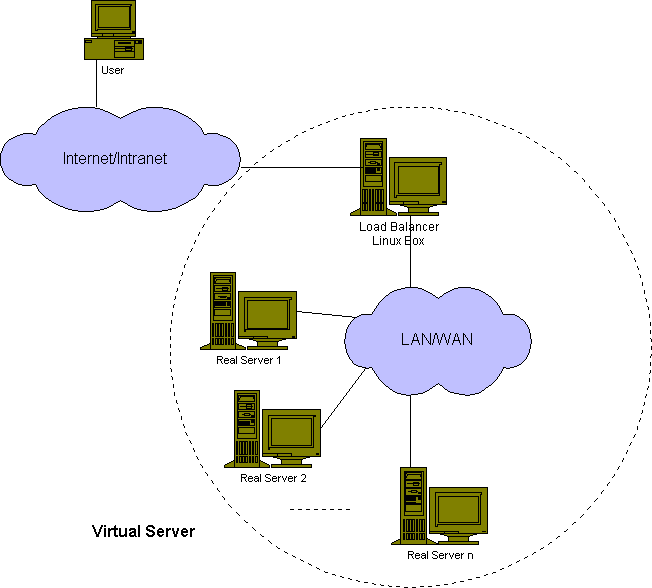


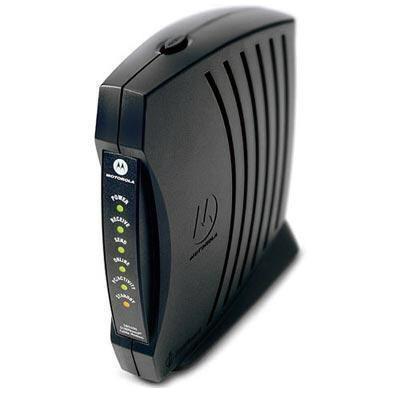
Modem: A modem (mo dulator-dem odulator) is a device that modulates an analog carrier signal to encode digital information
Node: is a connection point, either a redistribution point or a communication endpoint
Peer-Peer Network: Peers make a portion of their resources, such as processing power, disk storage or network bandwidth
Proxy Server: a proxy server is a server (a computer system or an application program) that acts as an intermediary for requests from clients seeking resources
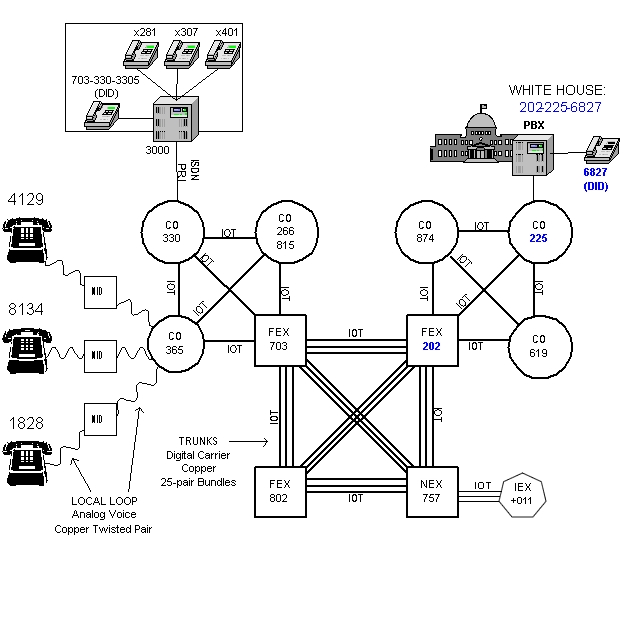
Public Switched Telephone Network: The public switched telephone network (PSTN) also referred to as the plain old telephone service (POTS) is the network of the world's public circuit-switched telephone networks.
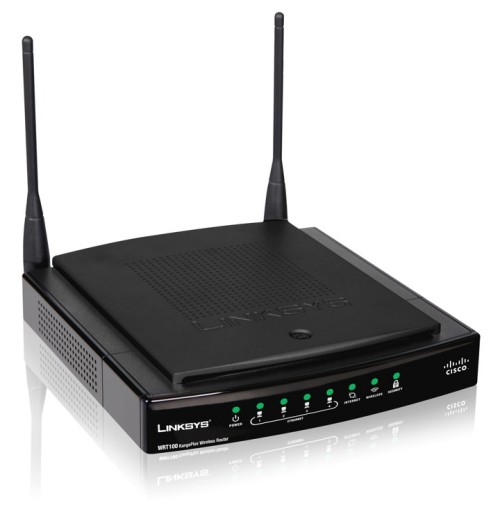
Router: A router is an electronic device that intercepts signals on a computer network. The router determines where the signals have to go.
Server: a computer program running as a service, to serve the needs or requests of other programs
Server Operating System: The operating system was first released in 1999 as Mac OS X Server 1.0, with a desktop-oriented version (Mac OS X v10.0) following in March 2001.
T-1 Line: A T1 span can have up to -130 Volts of DC power superimposed on the associated four wire cable pairs to line or "Span" power line repeaters
Wide Area Network: A wide area network (WAN) is a computer network that covers a broad area (i.e., any network whose communications links cross metropolitan, regional, or national boundaries
WiMax: is a telecommunications protocol that provides fixed and fully mobile Internet access.
Wireless Internet Service Provider: Wireless Internet Service Providers (WISPs) are Internet service providers with networks built around wireless networking.
Wireless LAN: A wireless LAN is actually an extension of a LAN or even a WAN
Vocab Words





Biometric Security Measures: measures how well a biometric resists aging and other variance over time.
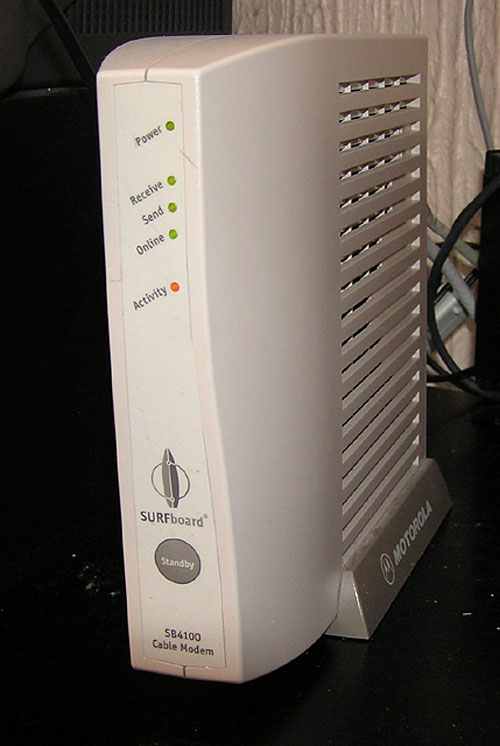
Cable Modem: A cable modem is a type of network bridge and modem that provides bi-directional data communication via radio frequency channels on a HFC and RFoG infrastructure.
Client: A client: is an application or system that accesses a remote service on another computer system, known as a server, by way of a network
Client/ Server Network: Often clients and servers communicate over a computer network on separate hardware, but both client and server may reside in the same system.
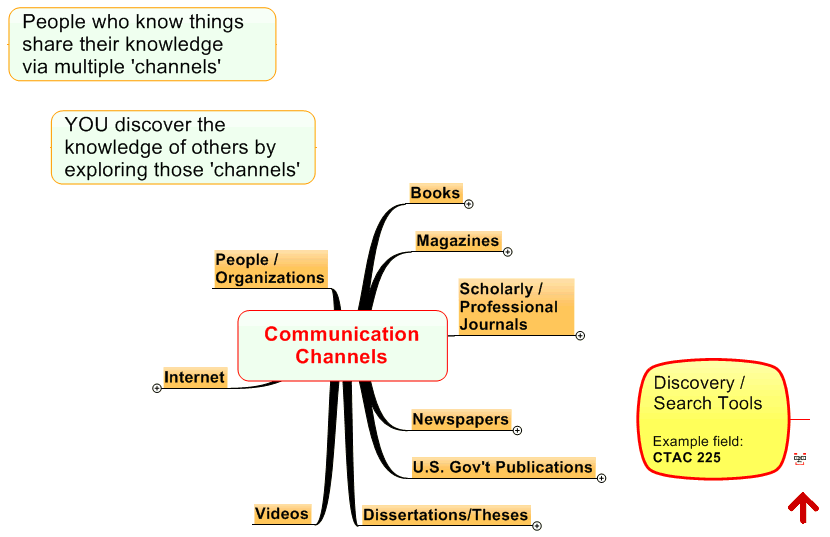
Communication Channels: A connection between initiating and terminating nodes of a circuit.
Digital Subscriber Line: Digital Subscriber Line (DSL) is a family of technologies that provides digital data transmission over the wires of a local telephone network.
Extranet: An extranet is a computer network that allows controlled access from the outside, for specific business or educational purposes.
Firewall: A firewall is a part of a computer system or network that is designed to block unauthorized access while permitting authorized communications.
Hacker: a hacker is a person who breaks into computers and computer networks, either for profit or motivated by the challenge.
Hub: Originally, the term hub referred to the central part of a wheel.
Internet: The Internet is a global system of interconnected computer networks that use the standard Internet Protocol Suite (TCP/IP) to serve billions of users worldwide.
Intranet: An intranet is a private computer network that uses Internet Protocol technologies to securely share any part of an organization's information or network operating system
Local Area Conector: If your computer has a network adapter that is connected to a local area network, you do not need to manually create a LAN connection
Monday, November 15, 2010
vocab mp2 (FINAL) (FINAL) (FINAL)!!!!!



Wordart: WordArt is a text-styling feature that is available in the Microsoft Office suite of products.
Work area: You define work areas in Customizing for the directly called detailed scheduling planning
Workbook: Workbooks in the American education system, are cheap, paperback textbooks, issued to students.
Works Cited: Automatic works cited and bibliography formatting for MLA, APA and Chicago/Turabian citation styles. Now supports 7th edition of MLA.
Worksheet: A worksheet is a sheet of paper, or on a computer, on which problems are worked out or solved and answers recorded. Education
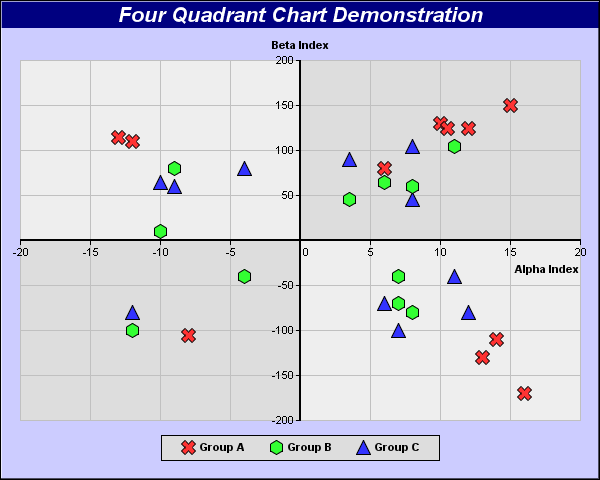
X-Y Scatter Chart: Applies to Microsoft Office Excel 2003 Microsoft Excel 2000 and 2002 XY (Scatter) charts and Line charts look very similar
Zoom: to move very fast, especially while emitting a loud low-pitched buzzing noise
Subscribe to:
Posts (Atom)